
The Healing Properties of Amber: Folklore, History & Facts
By Cekin Amber
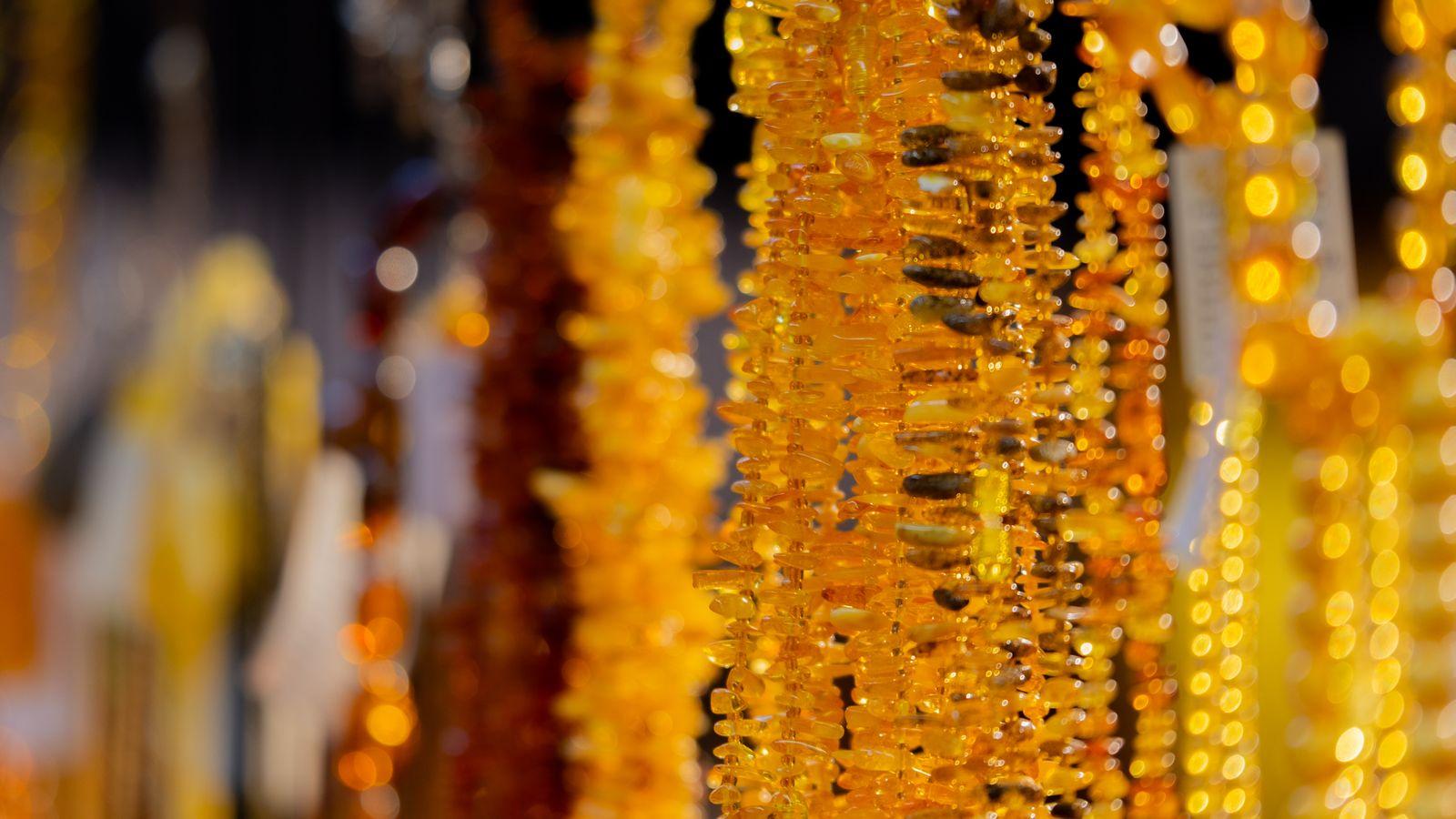
Few materials carry as much lore as Baltic amber. For thousands of years, across many cultures, people have worn it not only for its beauty but for the powers they believed it held. This article explores that rich tradition with an honest eye — separating the history and folklore from what is actually known today.
Please note: The beliefs described below are traditional and cultural. Amber is not a medicine, and these claims are not supported by scientific evidence. Nothing here is medical advice. If you have a health concern, please consult a qualified healthcare professional.
A long tradition of belief
Amber's mysterious qualities — its warmth, its glow, and the static charge it builds when rubbed — fascinated ancient peoples who had no way to explain them. It is no surprise that they attributed hidden powers to it.
- Ancient Greece and Rome. Amber amulets were worn for protection. The physician Hippocrates reportedly wrote about amber's use, and Pliny the Elder recorded that amber was worn to guard against illness and worn by children as a protective charm.
- The Baltic and Northern Europe. In the amber's homeland, it was long considered a stone of protection and vitality, carried by travelers and sailors for safe passage.
- Traditional folk medicine. Across many cultures, amber was ground into tinctures or worn to ease sore throats, headaches, and rheumatic pain.
The succinic acid story
Modern amber folklore often centers on succinic acid, a natural compound that Baltic amber contains in unusually high amounts — sometimes up to 8 percent. Enthusiasts claim that body heat releases trace amounts of this acid through the skin, producing a calming or anti-inflammatory effect.
Here is the honest picture: succinic acid is a real substance that occurs naturally in the body and in many foods, and it is studied in various contexts. However, there is no reliable scientific evidence that wearing amber releases meaningful amounts of it through the skin, or that doing so has any therapeutic effect. The warmth of amber against the skin is real and pleasant, but the medical claims remain unproven.
Amber teething necklaces — an important safety note
One of the most common modern uses of amber folklore is the amber teething necklace for babies. Health and safety authorities in many countries, including pediatric bodies, advise against placing any necklace on an infant because of the genuine risks of choking (if beads come loose) and strangulation (from the cord).
If a family chooses to use one despite this, the standard guidance is: never let a baby wear it unsupervised, never during sleep, and never leave it on unattended. We do not market amber as a remedy for teething or any medical condition.
What amber genuinely offers
Setting the unproven claims aside, amber has real, tangible qualities that people have always loved:
- Warmth. Amber is a poor conductor of heat, so it warms quickly and feels soft and alive against the skin — one reason it is so prized for prayer beads and tesbih.
- Lightness. It is remarkably light to wear or hold for long periods.
- Beauty and individuality. Every piece is unique, glowing in shades from clear cognac to honey and butterscotch.
- A sense of connection. Holding a fragment of a 40-million-year-old forest, worn and traded for millennia, carries a meaning all its own.
For many, that combination — comfort, beauty, and a link to deep history — is reason enough to treasure amber, no medical claim required.
The honest takeaway
Amber's "healing" reputation is a genuine and fascinating part of human culture, worth knowing and respecting as folklore. But it is folklore, not medicine. Enjoy your amber for what it truly is: a beautiful, warm, and ancient natural material with a story stretching back millions of years.
We hand-work authentic Baltic amber in Gdynia, on Poland's Baltic coast. Browse our collection, read about the history of Baltic amber, or contact us with any questions.
More from the Journal
- Amber as a Gift: A Buyer's GuideWarm, personal, and millions of years in the making — amber is a gift with meaning. Here's how to choose the right piece for the person and the occasion.
- How to Choose an Amber Tesbih: A Buyer's Guide to Kehribar Prayer BeadsReady to buy an amber tesbih? Here's how to judge bead count, weight, and authenticity — and how to spot the fakes before you pay.