
Historia bursztynu bałtyckiego: 44 miliony lat powstawania
Autor: Cekin Amber
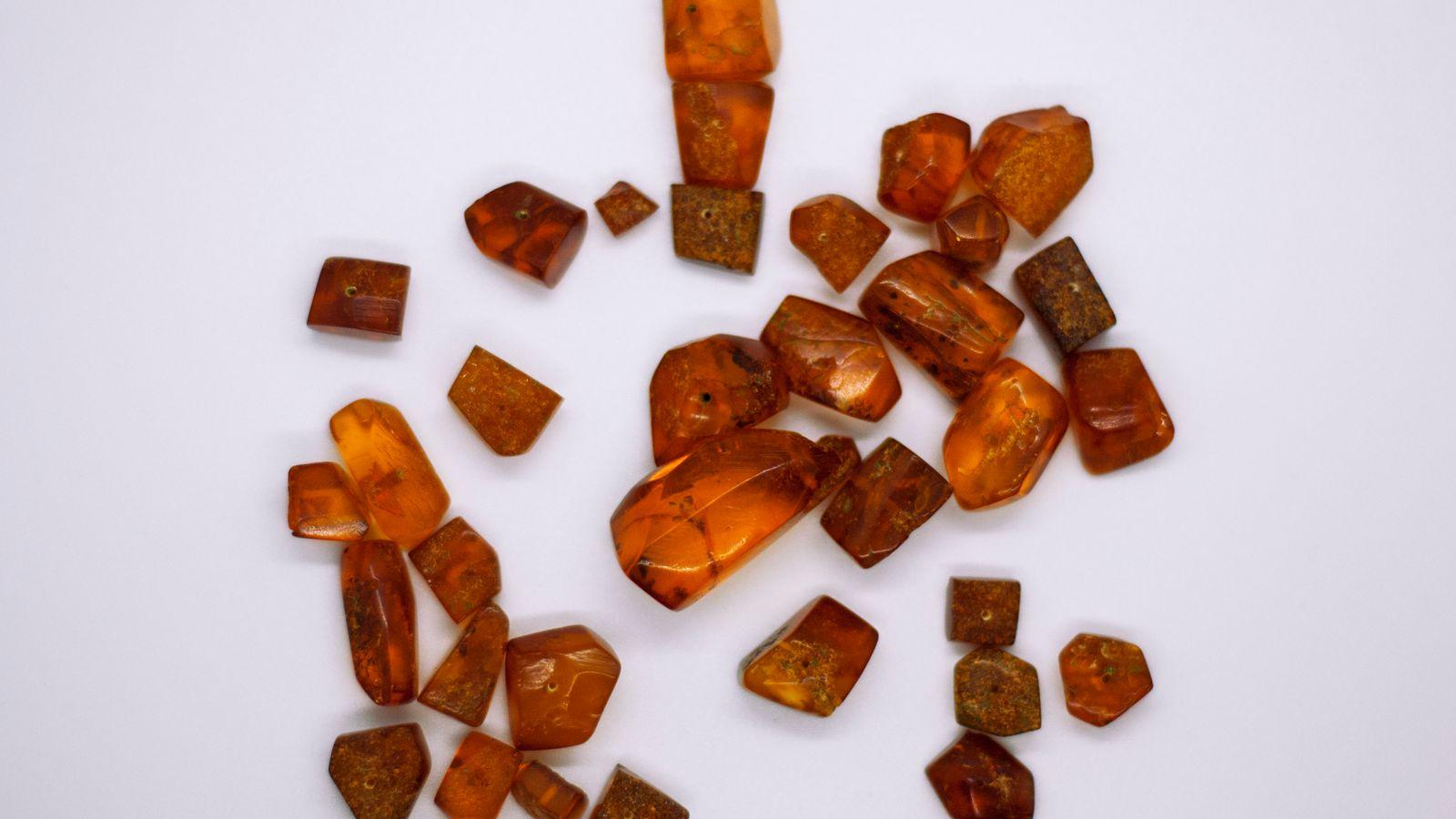
Bursztyn bałtycki to znacznie więcej niż piękny kamień szlachetny — to fragment głębokiego czasu i świadek tysięcy lat ludzkiej historii. Zanim trafił na warsztat jubilera, każdy okruch przez dziesiątki milionów lat wędrował z żywego lasu na brzegi Morza Bałtyckiego. Oto historia tej podróży.
Wszystko zaczyna się w pradawnym lesie
Około 44 miliony lat temu, w epoce eocenu, rozległe lasy iglaste porastały region dzisiejszej Europy Północnej i basenu Morza Bałtyckiego. Klimat był cieplejszy i bardziej wilgotny niż obecnie. Gdy drzewa doznawały uszkodzeń — na skutek burz, owadów czy naprężeń wzrostowych — wydzielały lepką żywicę, by zabliźnić i chronić ranę.
Przez ogromne odcinki czasu żywica ta została zagrzebana, sprasowana i przekształcona chemicznie. Rzeki niosły ją do morza, gdzie osadzała się w warstwach osadów. Pod ciśnieniem i bez dostępu tlenu lotne związki wyparowały, a żywica stwardniała w skamieniały materiał, który nazywamy bursztynem — proces ten to polimeryzacja.
Bursztyn bałtycki jest wyjątkowy, ponieważ jest niezwykle bogaty w kwas bursztynowy, czasem nawet do 8 procent masy. Z tego powodu jest naukowo klasyfikowany jako sukcynit i pozostaje najobficiej występującym i najcenniejszym bursztynem na świecie.
Zamrożone chwile prehistorycznego życia
Spływająca żywica czasem chwytała wszystko, czego dotknęła: pęcherzyki powietrza, igły sosnowe, płatki kwiatów, a — co najbardziej fascynujące — owady, pająki, a nawet pióra i jaszczurki. Te inkluzje to doskonale zachowane migawki z zaginionego świata, które czynią bursztyn bezcennym dla paleontologów. Pojedynczy komar uwięziony w bursztynie może opowiedzieć naukowcom o ekosystemach sprzed 40 milionów lat.
Szlak Bursztynowy
Ludzie cenili bursztyn już od epoki kamienia, ale to w starożytności stał się prawdziwym towarem luksusowym. Od około 1900 roku p.n.e. sieć szlaków handlowych znana jako Szlak Bursztynowy niosła bursztyn bałtycki na południe — od wybrzeży Morza Bałtyckiego nad Morze Śródziemne, docierając do Grecji, Rzymu, Egiptu i dalej.
Bursztyn był wart tyle, co złoto. Rzymski przyrodnik Pliniusz Starszy pisał o nim w I wieku n.e., zauważając, że mała bursztynowa figurka mogła kosztować więcej niż żywy niewolnik. Cesarz Neron podobno tak go uwielbiał, że wysłał wyprawę na północ, by zapewnić sobie dostawy. Bursztyn rzeźbiono w amulety, koraliki i ozdoby, wierząc, że niesie moc ochronną i leczniczą.
Bursztyn w micie i medycynie
Starożytni ludzie mieli trudność z wyjaśnieniem tajemniczych właściwości bursztynu — jego ciepła, blasku i zdolności przyciągania piór oraz kurzu po potarciu. Grecy nazywali go elektron, a ich obserwacja tego ładunku statycznego dała nam ostatecznie słowo elektryczność.
Grecki mit głosił, że bursztyn powstał z łez Heliad, sióstr Faetona, które opłakiwały poległego brata, aż zamieniły się w topole. Przez wieki bursztyn stosowano też w medycynie ludowej — noszono go, by łagodzić ból ząbkowania, ból gardła i reumatyzm — a wierzenia te w niektórych tradycjach przetrwały do dziś.
Bursztynowa Komnata: utracony cud
Być może najsłynniejszym rozdziałem w historii bursztynu jest Bursztynowa Komnata — sala ozdobiona w całości panelami z bursztynu, złotymi liśćmi i lustrami. Powstała w Prusach na początku XVIII wieku, została podarowana carowi Piotrowi Wielkiemu w 1716 roku i zamontowana w Pałacu Katarzyny pod Sankt Petersburgiem. Współcześni nazywali ją „ósmym cudem świata".
Podczas II wojny światowej naziści zrabowali komnatę i przenieśli ją do Królewca (dziś Kaliningrad). Następnie zniknęła — to jedna z wielkich nierozwiązanych zagadek historii. Żmudną rekonstrukcję ukończono w 2003 roku i można ją dziś zwiedzać, ale oryginalnych paneli nigdy nie odnaleziono.
Gdańsk i Gdynia: stolica bursztynu
Południowe wybrzeże Bałtyku, a w szczególności Gdańsk, od wieków jest sercem handlu bursztynem. Gdańsk zyskał miano „światowej stolicy bursztynu", będąc domem cechów mistrzów rzemiosła, którzy doskonalili sztukę cięcia, polerowania i oprawiania kamienia. Ta żywa tradycja trwa na wybrzeżu do dziś — także w pobliskiej Gdyni, gdzie każdy element obrabiamy ręcznie.
Od pradawnej żywicy do Twoich rąk
Trzymając w dłoni kawałek bursztynu bałtyckiego, trzymasz coś, co zaczęło się jako kropla żywicy w lesie starszym od ludzkości, przetrwało dziesiątki milionów lat i przeszło przez ręce kupców, cesarzy i rzemieślników. Ta historia jest częścią tego, co czyni go tak wyjątkowym.
Ręcznie obrabiamy autentyczny bursztyn bałtycki w Gdyni, na polskim wybrzeżu, kontynuując rzemiosło liczące tysiące lat. Przejrzyj naszą kolekcję, dowiedz się jak rozpoznać prawdziwy bursztyn lub skontaktuj się z nami w razie pytań.
Więcej z Dziennika
- Bursztyn na prezent: przewodnik kupującegoCiepły, osobisty i powstający miliony lat — bursztyn to prezent ze znaczeniem. Oto jak wybrać właściwy egzemplarz do osoby i okazji.
- Jak wybrać bursztynowy tesbih: przewodnik kupującego po różańcach kehribarGotowy, by kupić bursztynowy tesbih? Oto jak ocenić liczbę koralików, wagę i autentyczność — i jak rozpoznać podróbki, zanim zapłacisz.