
Amber Colors and Types: A Guide to Every Shade of Baltic Amber
By Cekin Amber
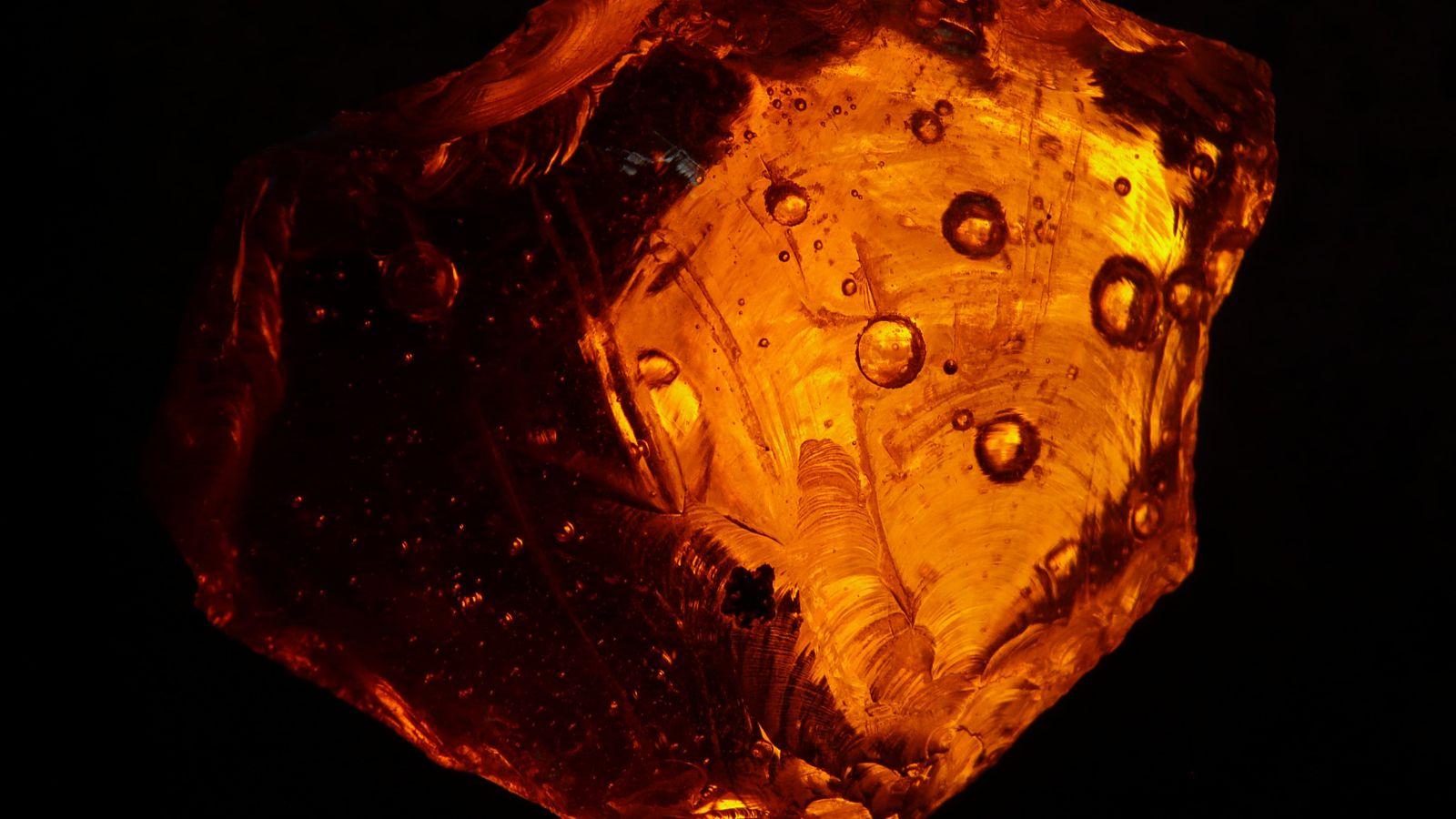
One of the joys of Baltic amber is that no two pieces are exactly alike. It glows in a remarkable range of colors — from crystal-clear cognac to opaque, milky white — and each shade tells you something about how it formed. Here is a guide to the main colors and types of Baltic amber, and what makes each one special.
What determines amber's color?
Baltic amber is fossilized tree resin, and its final color depends on several natural factors:
- Tiny air bubbles. The more microscopic bubbles trapped in the resin, the more opaque and lighter it appears. Few bubbles means clear, transparent amber; countless tiny ones scatter light into a milky, cloudy look.
- Oxidation and age. Over long periods, amber's surface darkens and deepens in color as it reacts with air.
- Plant matter and minerals. Traces of surrounding material can tint amber toward green, brown, or unusual hues.
- Heat and pressure. The conditions during fossilization, and any later gentle treatment, affect the final tone.
The classic colors of Baltic amber
Cognac (transparent brown)
The most familiar face of Baltic amber: clear, glowing, and reddish-brown like fine cognac. Few air bubbles let light pass straight through, giving it a jewel-like transparency. It is the classic choice for beads, tesbih, and pendants.
Honey
A warm golden-brown, slightly more saturated than yellow amber and often semi-transparent. Honey amber is among the most beloved and recognizable shades, prized for its rich, glowing warmth.
Yellow (lemon)
Bright, sunny, and translucent, yellow amber contains more air bubbles than cognac, softening its clarity. It is one of the classic Baltic tones and very popular in traditional jewelry.
Butterscotch (egg yolk)
Opaque and creamy, ranging from soft yellow to deep golden. The dense cloud of microscopic bubbles gives butterscotch amber its solid, buttery appearance. It is especially treasured in the Middle East and for fine tesbih.
White (royal amber)
The rarest of the natural shades. "Royal" or "white" amber is milky and ivory-toned, created by an exceptionally high concentration of tiny bubbles. Because it is uncommon, white amber commands a premium and is highly sought after by collectors.
Rarer and specialty colors
Green amber
Naturally greenish amber is rare, tinted by plant matter or minerals trapped during formation. Much of the vivid green amber on the market is enhanced through gentle heat treatment over a dark backing — beautiful, but worth asking about when you buy.
Cherry and red amber
Deep red "cherry" amber is almost never fully natural in intense shades; the rich red usually comes from controlled heat treatment (thermal oxidation) of natural amber. Genuine antique amber can also naturally redden over centuries as its surface oxidizes.
Black amber
Often very dark brown rather than true black, this deep tone comes from a high content of plant debris and organic matter in the resin. Held to strong light, it frequently reveals a dark reddish-brown glow.
Blue and green fluorescent amber
Extremely rare in its most vivid natural form (famously from the Dominican Republic rather than the Baltic), some Baltic amber does show a soft blue or green fluorescence under UV light — a favorite check among collectors.
Natural vs. treated amber
All the colors above are real amber. But it helps to know the difference between:
- Natural amber — its color comes entirely from how it formed.
- Treated (or "modified") amber — genuine amber gently heated or clarified to deepen color, add "sun spangle" inclusions, or produce reds and greens. This is still real amber, not an imitation, but a reputable seller should tell you when a piece has been treated.
This is different from outright fakes like plastic and copal. If you want to be sure a piece is genuine amber at all, see our guide: How to Tell If Baltic Amber Is Real.
Choosing your color
There is no "best" color — only the one that speaks to you. Cognac and honey suit those who love transparency and glow; butterscotch and white appeal to lovers of creamy, solid tones and are classic choices for tesbih. Because every piece is unique, the color you choose becomes truly your own.
We hand-work authentic Baltic amber in every one of these shades in Gdynia, on Poland's Baltic coast. Browse our collection, read about the history of Baltic amber, or contact us to find your perfect color.
More from the Journal
- Amber as a Gift: A Buyer's GuideWarm, personal, and millions of years in the making — amber is a gift with meaning. Here's how to choose the right piece for the person and the occasion.
- How to Choose an Amber Tesbih: A Buyer's Guide to Kehribar Prayer BeadsReady to buy an amber tesbih? Here's how to judge bead count, weight, and authenticity — and how to spot the fakes before you pay.