
Amber vs. Other Gemstones: What Makes It Unique
By Cekin Amber
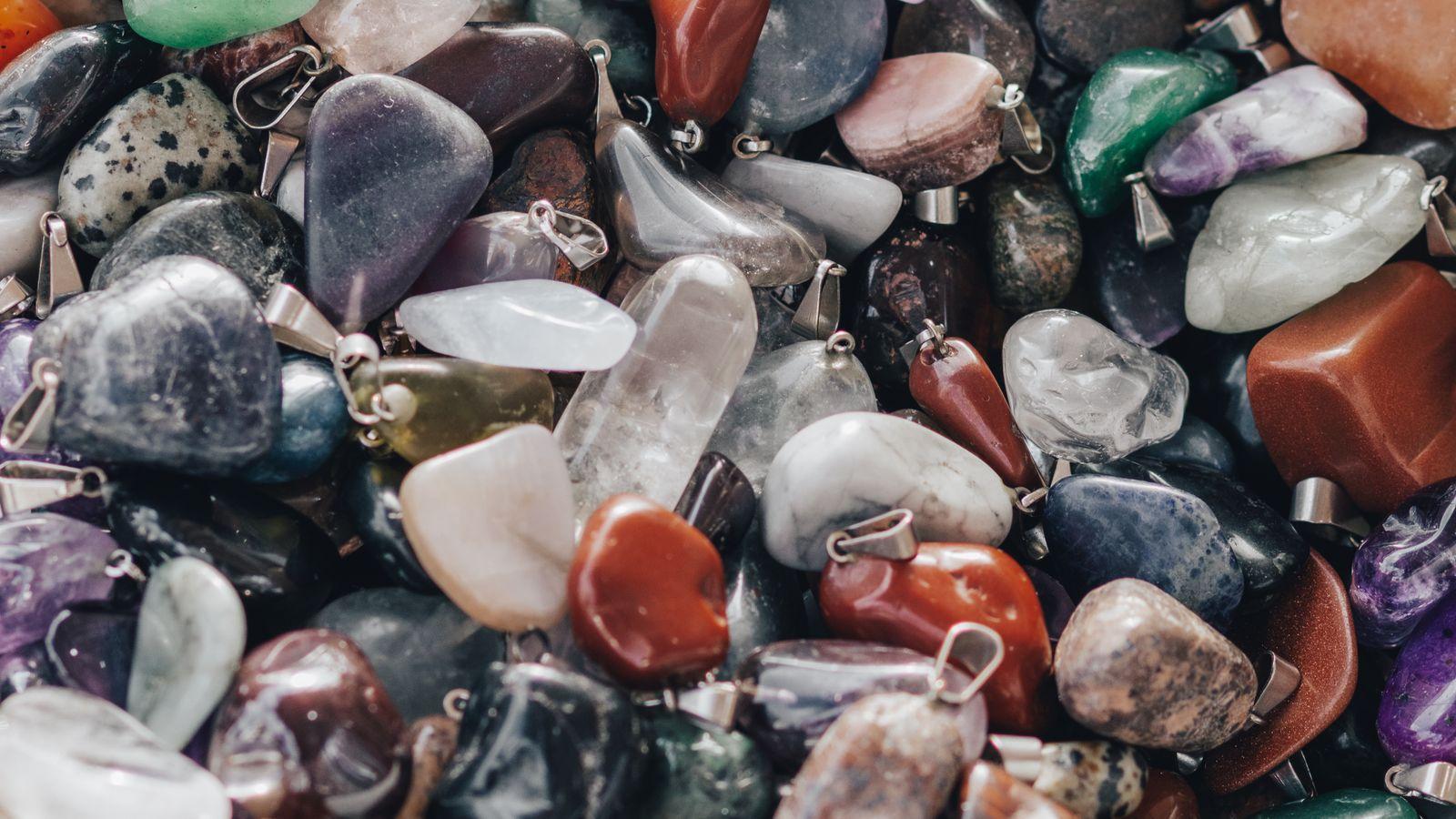
When people call amber a "gemstone," they are only half right. Most gems are minerals — crystalline structures formed deep in the earth. Amber is something else entirely: fossilized tree resin, organic and ancient. That fundamental difference is the key to everything that makes amber special. Here is how it compares to some of the world's most famous gems.
Amber is organic, not mineral
The world's gems fall into two broad groups. Mineral gemstones — diamonds, rubies, sapphires, emeralds — are inorganic crystals with defined atomic structures. Organic gems — amber, pearl, coral, jet — come from living things. Amber belongs firmly in the second group: it began as resin flowing from ancient conifers 40 to 50 million years ago.
This organic origin explains amber's warmth, its lightness, and the fact that each piece can contain trapped bubbles, plant fragments, or even insects — tiny windows into a prehistoric world that no mineral gem can offer.
Amber vs. diamond
- Hardness. Diamond is the hardest natural material, a perfect 10 on the Mohs scale. Amber is around 2 to 2.5 — soft enough to scratch with a fingernail's harder cousins. Amber needs gentler care as a result.
- Feel. Diamond is cold and brilliant; amber is warm and soft to the touch, quickly matching your body heat.
- Rarity vs. character. Diamonds are prized for flawless clarity and sparkle. Amber is prized for the opposite — its natural inclusions and individuality are the whole point.
Amber vs. pearl
Pearls are amber's closest cousins as organic gems, and they share some traits:
- Both are soft and delicate, needing protection from chemicals, cosmetics, and scratches.
- Both are light and warm compared to mineral stones.
- The key difference: a pearl grows inside a living mollusk over years, while amber forms over geological time. Pearls are essentially contemporary; amber is millions of years old.
Amber vs. jade
Jade is a mineral (either jadeite or nephrite) long treasured in East Asian cultures for its toughness and smooth, cool feel. Compared to amber:
- Jade is much harder and denser, cool and heavy in the hand.
- Amber is far lighter and warmer, glowing with transparency jade does not have.
- Both carry deep cultural meaning — jade in Chinese tradition, amber across Europe, the Baltic, and the Islamic world.
Amber vs. coral
Coral, like amber and pearl, is an organic gem — the skeletal remains of marine polyps.
- Both are relatively soft and sensitive to acids and heat.
- Coral is denser and typically comes in reds, pinks, and whites; amber spans warm yellows, browns, and rare whites.
- Sustainability matters here: much coral harvesting raises ecological concerns, while Baltic amber is a fossil resource gathered along the shore, with no living animal harmed.
Where amber truly stands apart
Set against all of these, amber's distinctive advantages come into focus:
- Warmth. No other gem warms to the touch as quickly — a key reason amber is beloved for prayer beads and tesbih.
- Lightness. Amber is remarkably light to wear or hold for long stretches.
- Living history. Each piece is a genuine fossil, sometimes containing life from 40 million years ago.
- Individuality. No two pieces are alike in color or inclusion.
- Approachable meaning. Amber has carried protective and cultural significance for millennia across many peoples.
Which is "best"?
There is no universal answer — it depends on what you value. If you want maximum hardness and sparkle, a diamond wins. If you want something warm, light, deeply personal, and carrying millions of years of history in your hand, few things rival amber. For prayer beads especially, its warmth and lightness make it hard to beat.
We hand-work authentic Baltic amber in Gdynia, on Poland's Baltic coast. Browse our collection, explore amber colors and types, or contact us with any questions.
More from the Journal
- Amber as a Gift: A Buyer's GuideWarm, personal, and millions of years in the making — amber is a gift with meaning. Here's how to choose the right piece for the person and the occasion.
- How to Choose an Amber Tesbih: A Buyer's Guide to Kehribar Prayer BeadsReady to buy an amber tesbih? Here's how to judge bead count, weight, and authenticity — and how to spot the fakes before you pay.