
Inkluzje w bursztynie: owady i życie uwięzione w czasie
Autor: Cekin Amber
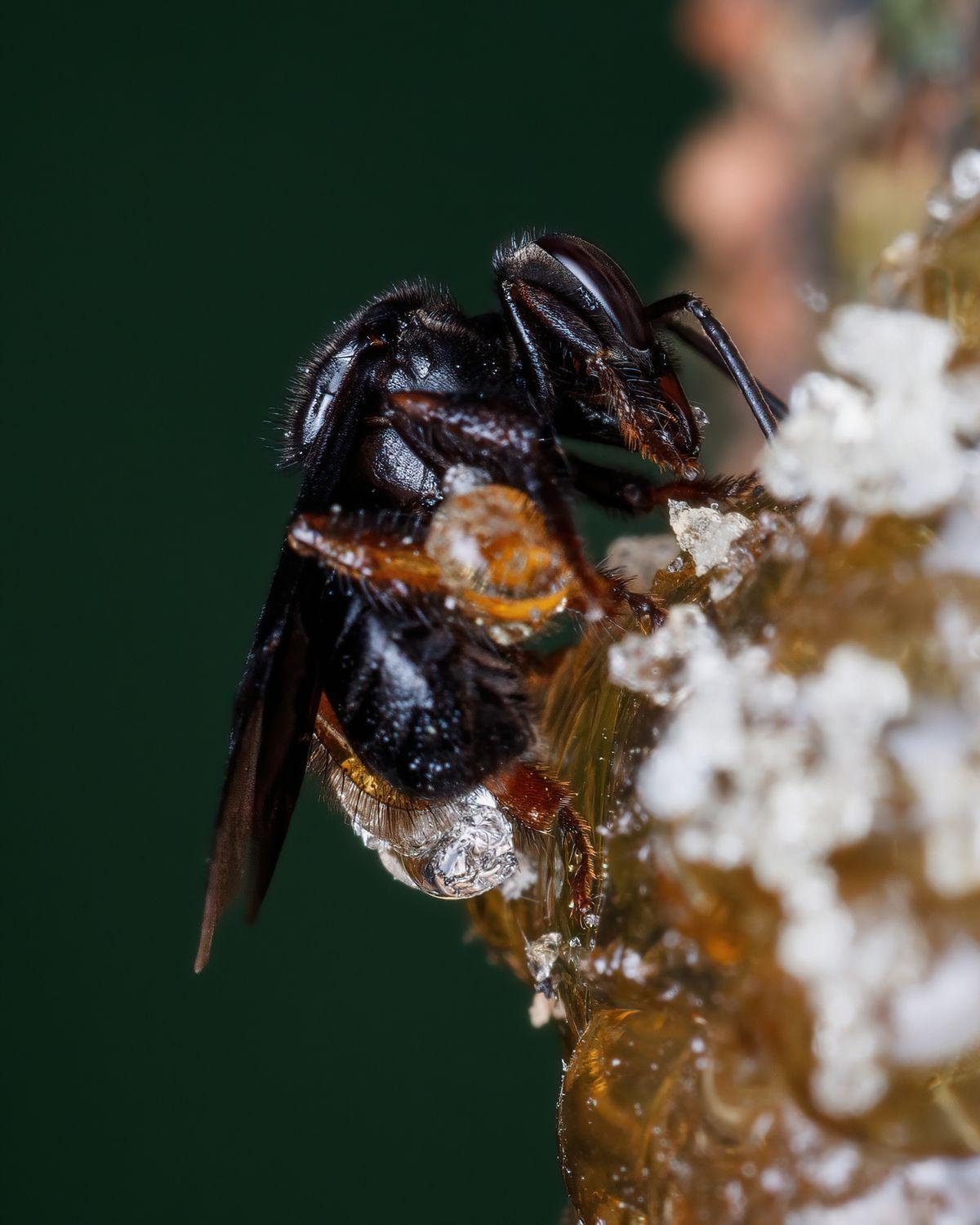
Podnieś kawałek bursztynu pod światło, a możesz zobaczyć w środku coś niezwykłego: maleńkiego owada, fragment liścia, nitkę pradawnej rośliny lub migot uwięzionych pęcherzyków. To inkluzje — pozostałości życia i powietrza zamknięte w żywicy 40–50 milionów lat temu. Żaden inny klejnot nie niesie żywej przeszłości tak dosłownie. Oto jak powstały.
Czym jest inkluzja?
Inkluzja to wszystko, co zostało uwięzione wewnątrz bursztynu w chwili, gdy żywica stwardniała. W bursztynie bałtyckim najczęściej są to:
- Owady — muchówki, meszki, mrówki, pająki, chrząszcze, a czasem większe stworzenia.
- Materia roślinna — igły sosny, drobne liście, nasiona, części kwiatów i fragmenty kory.
- Pęcherzyki powietrza i wody — kieszenie prehistorycznej atmosfery i wilgoci.
- Minerały i drobiny — pył, pyłek kwiatowy i drobny osad z dna lasu.
Każda z nich to prawdziwy artefakt lasu, który zniknął dziesiątki milionów lat temu.
Jak życie zostało uwięzione w żywicy
Historia zaczyna się od rany w pradawnym drzewie iglastym. Gdy kora drzewa została uszkodzona, wydzielało lepką żywicę, by się zabliźnić i ochronić — tak samo, jak współczesna sosna wydziela żywicę. Ta świeża żywica była śmiertelną pułapką:
- Ciekawski owad wylądował na lepkiej powierzchni lub został pochwycony przez świeży wyciek i nie mógł uciec.
- Świeża żywica spłynęła po nim, całkowicie odcinając go od powietrza i bakterii.
- Przez miliony lat, zagrzebana i sprasowana, żywica polimeryzowała i skamieniała w bursztyn — zachowując wszystko, co pochwyciła, w zdumiewających szczegółach.
Ponieważ żywica tak całkowicie zamknęła okaz, niektóre inkluzje zachowują mikroskopijne struktury — maleńkie włoski, żyłki skrzydeł, a nawet szczegóły komórek — których nie dorówna żadna inna forma fosylizacji.
Dlaczego inkluzje mają znaczenie dla nauki
Bursztyn to skarb dla paleontologów. W przeciwieństwie do skamielin w skale, które spłaszczają i mineralizują swoje obiekty, bursztyn zachowuje organizmy w trzech wymiarach, niemal takimi, jakie były za życia. Inkluzje nauczyły badaczy o:
- Gatunkach owadów i roślin dawno wymarłych.
- Pradawnych ekosystemach i klimacie lasów eocenu.
- Zachowaniu zamrożonym w akcji — owadach żerujących, godujących lub pochwyconych w locie.
Dlatego dobrze zachowana inkluzja może być naukowo bezcenna.
Inkluzje a wartość bursztynu
Dla kolekcjonerów i miłośników biżuterii inkluzje dodają fascynacji, a często i wartości:
- Wyraźna, dobrze umiejscowiona inkluzja owada może uczynić pojedynczy okaz bardzo poszukiwanym.
- Inkluzje roślinne i ciekawe układy pęcherzyków dodają charakteru i niepowtarzalności.
- Ponieważ każda inkluzja jest wyjątkowa, żadne dwa takie okazy nie są takie same.
Trzeba jednak dodać, że większość biżuterii z bursztynu ceni się za kolor i przejrzystość, a nie za inkluzje — okaz nie potrzebuje owada, by być piękny czy cenny.
Uwaga o autentyczności
Inkluzje są też wskazówką co do autentyczności — ale obosieczną. Prawdziwe inkluzje są nieregularne, ułożone naturalnie i często niekompletne lub niedoskonałe. Podróbki czasem zawierają podejrzanie idealnego, całego, wyśrodkowanego owada osadzonego w przezroczystym plastiku lub żywicy, zaaranżowanego tak, by robił wrażenie. Jeśli „bursztynowy” okaz pokazuje nieskazitelnego, fotogenicznego owada dokładnie na środku, zachowaj ostrożność. (Zobacz nasz poradnik: Jak rozpoznać prawdziwy bursztyn bałtycki.)
Okno na pradawny świat
Inkluzja zamienia kawałek bursztynu z pięknego klejnotu w coś niemal magicznego — zamkniętą kapsułę lasu, który oddychał 40 milionów lat przed nami. Trzymać ją to trzymać w dłoni chwilę głębokiego czasu.
Ręcznie obrabiamy autentyczny bursztyn bałtycki w Gdyni, na polskim wybrzeżu Bałtyku. Poznaj kolory i rodzaje bursztynu, przeczytaj historię bursztynu bałtyckiego lub przejrzyj naszą kolekcję.
Więcej z Dziennika
- Bursztyn na prezent: przewodnik kupującegoCiepły, osobisty i powstający miliony lat — bursztyn to prezent ze znaczeniem. Oto jak wybrać właściwy egzemplarz do osoby i okazji.
- Jak wybrać bursztynowy tesbih: przewodnik kupującego po różańcach kehribarGotowy, by kupić bursztynowy tesbih? Oto jak ocenić liczbę koralików, wagę i autentyczność — i jak rozpoznać podróbki, zanim zapłacisz.